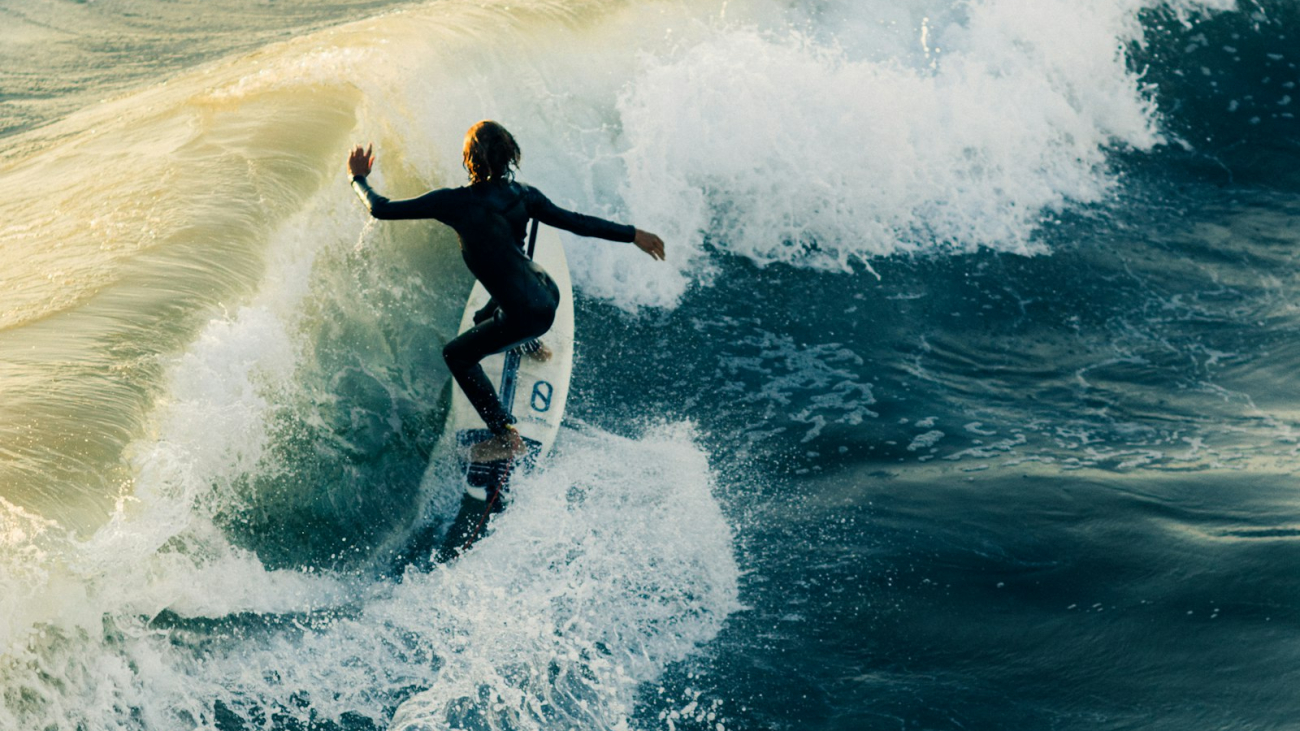
A surfer riding a wave during the day, representing the surf breaks around Sayulita

Sayulita Surfer’s Beach Guide: Where to Paddle Out by Skill Level

Sayulita gets called a beginner surf town, and the main beach earns that reputation — but there are several distinct breaks around town, and they suit different skill levels. This is a beach-by-beach breakdown for surfers specifically; if you’re looking for lessons and schools instead, see our surfing guide.

Sayulita Beach — All Levels

The main beach break in town, and the reason Sayulita has a surf-town reputation at all. Consistent 2–6 foot waves with playful, mellow shoulders, best around mid tide with east winds and a west or southwest swell. It’s crowded, especially midday in high season, and shared with swimmers — but it’s genuinely forgiving for a first-timer.

Playa Las Cuevas — All Levels

A sheltered cove about two miles north of town with gentle, waist-high rollers in the 2–4 foot range, working on any tide with a north or northeast swell and south winds. Fewer people than the main beach, but it’s a real walk in via jungle path to get there — not a spot for a quick paddle-out before dinner.

Playa Patzcuarito — Intermediate to Advanced

A point-inflected beach break with long peeling lefts and rights, 2–6 feet, with occasional steep takeoffs. Best on a mid-to-low tide with west or southwest swell and east winds. This is the spot locals send intermediate surfers who’ve outgrown the main beach but aren’t ready for Carricitos.

Playa Carricitos — Intermediate to Advanced

Remote, smaller crowds, and genuinely powerful — 2–5 foot waves best on a mid-to-low tide with west/southwest swell and east winds, but with a strong undertow that demands real caution and real experience. It’s roughly a 40-minute walk from the plaza. Beautiful, but not a spot to test your first ocean session.

Season and Conditions

May through September brings the warmest water (roughly 28–30°C / 82–86°F) and reliable 3–5 foot waves — good longboard conditions across most of these breaks. Conditions shift year to year, so check a live surf forecast for the days you’re actually here rather than planning purely off season averages.

Lessons and Boards

Several schools operate out of the main beach and take all skill levels — Pacific Surf School, WildMex, and Sea Sayulita among them, alongside a handful of smaller local operators. Board rental is easy to find right on the main beach; you generally don’t need to arrange it in advance unless you have a specific board preference.

Our Take

Start on the main beach even if you’ve surfed elsewhere before — it tells you how the local swell and crowd feel before you commit to the longer walk to Patzcuarito or Carricitos. Most surfers end up splitting a week between the convenience of town and one morning at a quieter break.
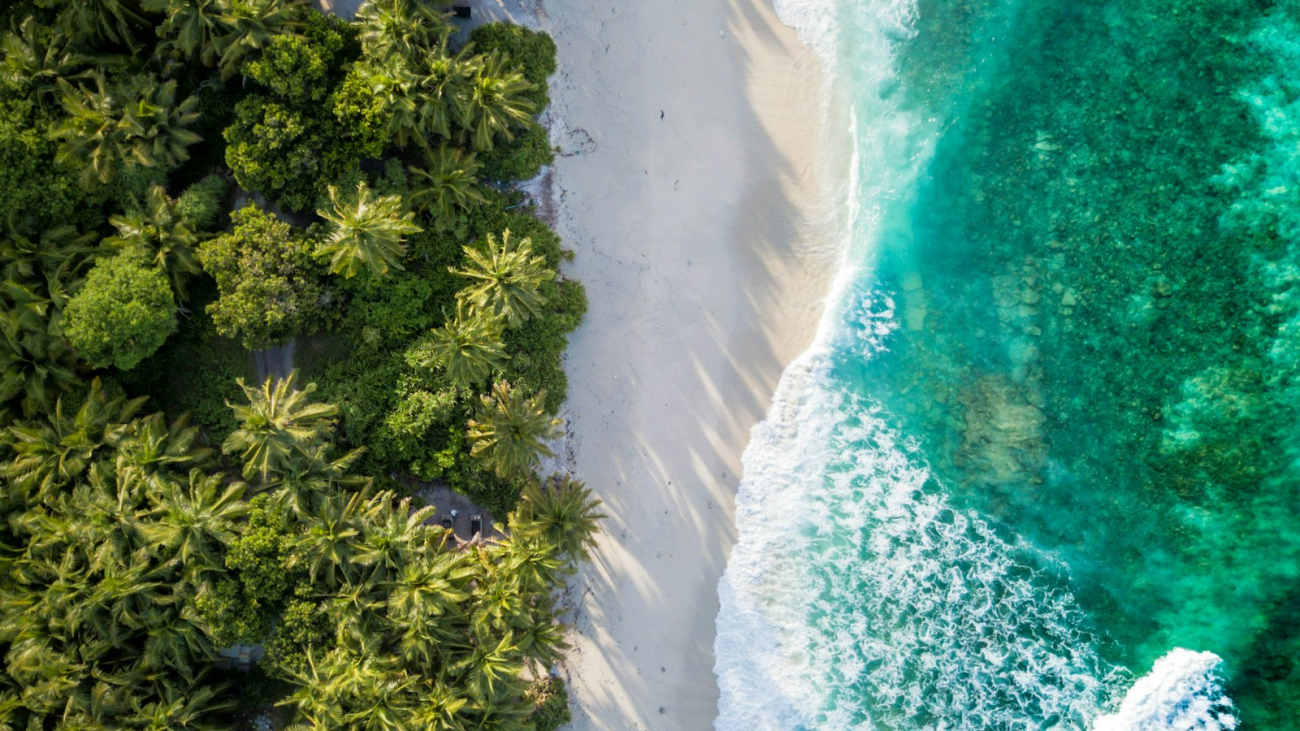
Aerial view of a tropical beach and turquoise water, illustrating the range of beaches near Sayulita

Which Sayulita Beach Matches You? A Quick Beach-Picker Guide

Sayulita isn’t one beach — it’s a cluster of them, each with a different personality, and picking the wrong one for the day you actually want can mean a long walk for nothing. Our full travel guide covers the town broadly; this is the quick version for choosing a beach.

If you want the social, walk-there, everything’s-nearby beach

Go to Main Sayulita Beach, right off the plaza. Beach restaurants rent chairs and umbrellas, restrooms are close by, and surfers and swimmers share the water — it’s the liveliest option and the easiest to reach on foot from almost anywhere in town. Mornings are calmer than afternoons, especially at the south end.

If you’re swimming with kids and want calm, protected water

Go to Playa de los Muertos. It’s a short walk south around the bay past Villa Amor and through the town cemetery, and the water is roped off and shielded by rocks on both sides — no surf traffic, no boat traffic. It’s popular with local families for exactly that reason.

If you want dramatic scenery and don’t mind earning it

Go to Playa Carricitos — about a 40-minute walk from the plaza along Niños Héroes road and then a jungle path. The waves here are powerful with a strong undertow, so it’s a beach for the view and the solitude rather than a casual swim; use real caution in the water. Our surfer’s beach guide has the wave details if you’re going for the surf itself.

If you want a quiet sunset with almost nobody around

Go to Playa Patzcuarito (or its larger neighbor, Playa Patzcuaro), a roughly hour-long walk or a 10-minute drive south on Avenida Revolución toward Punta de Mita. Dry-season sunsets here are genuinely dramatic, and during the week you can have long stretches of sand to yourself.

If you want the most private beach day of the trip

Go to Las Cuevas and Malpaso, about two miles north via a jungle path off Avenida del Palmar. A natural rock archway connects the two at low tide (check tides before you go), and both stay genuinely uncrowded even in high season — white sand, clear water, and a real hike to get there, which is exactly what keeps it quiet.

Our Take

Most weeks are worth splitting across two or three of these rather than picking just one — main beach for a social afternoon, Los Muertos for a calm swim with kids, and one of the walk-in beaches for a morning that feels like you found somewhere nobody else has.

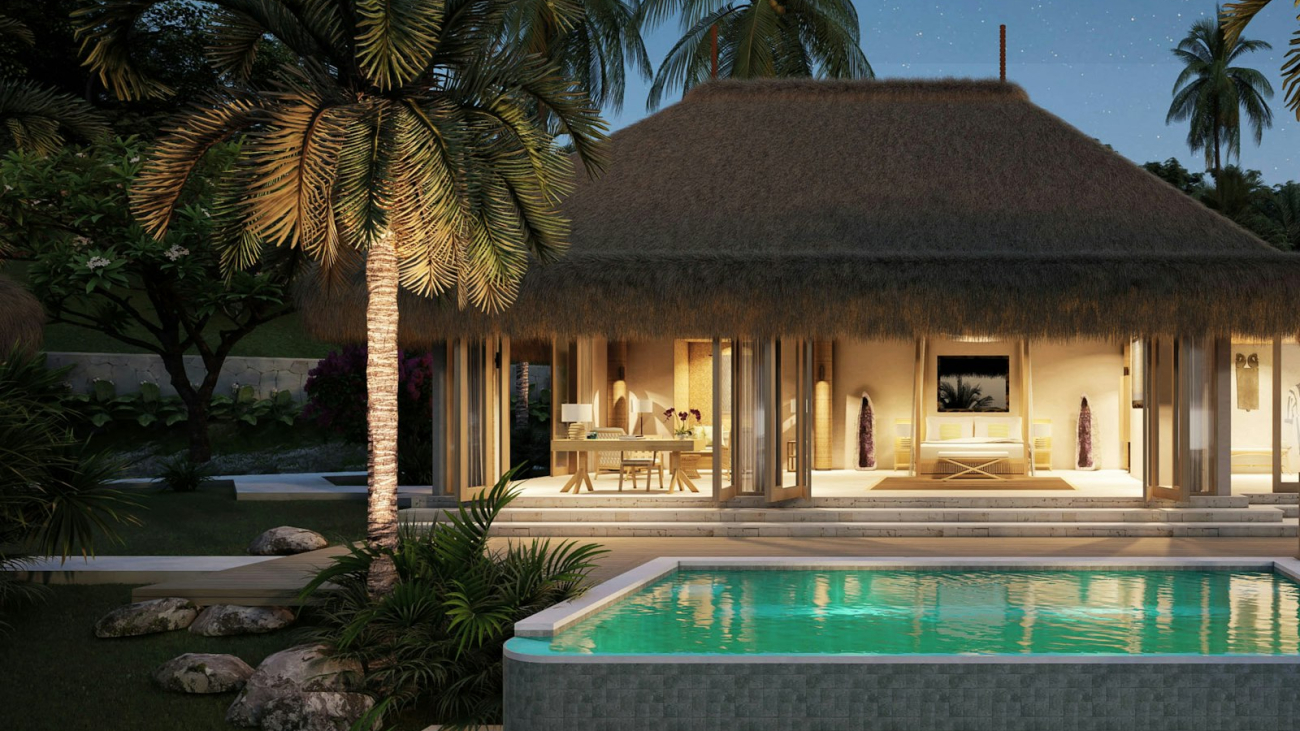
A private villa pool lit up at twilight, the kind of quiet evening scene a week at a Sayulita villa is built around

A Week in a Private Villa: A Sayulita Day-by-Day Itinerary

Every guest’s week looks a little different, but after hosting travelers for years, we’ve noticed a rhythm that tends to work best in a private villa rather than a hotel room — slower mornings, a couple of planned outings, and long unstructured stretches by the pool. Here’s what a realistic week can look like.

Day 1: Arrival

Most guests land in Puerto Vallarta and make the drive up the coast, arriving with just enough daylight left for a walk to the beach and dinner in town. First night is rarely ambitious — it’s for settling into the villa, figuring out where the kitchen things are, and getting a first look at the pool before bed.

Day 2: Town and Beach, No Plans

A short walk gets you to the main beach and the plaza. This is usually the day people wander without an itinerary — the artisan market, a few of the town’s restaurants, a swim off the main beach. Having a villa with its own kitchen means there’s no pressure to be anywhere for meals; you can come back midday, cook something simple, and head back out later.

Day 3: Surf Lesson Morning

Sayulita’s beach break is genuinely beginner-friendly, so a group lesson works even if nobody has surfed before — our surfing guide covers the local schools. Afternoons after a surf lesson are for the pool, not another activity — everyone is more tired than they expect.

Day 4: A Day Trip

Mid-week is when most guests take one day trip — to Marietas Islands, Punta de Mita, or San Pancho, or into Puerto Vallarta for a change of scenery. See our day trips guide for the options. Coming back to a private villa in the evening, rather than a hotel lobby, makes the return from a long excursion day noticeably easier — everyone scatters to their own space instead of waiting on room assignments.

Day 5: Private Chef Night

This is the night most groups build the week around. A private chef cooking in the villa — see our private chef guide — turns an ordinary evening into the kind of dinner you’d otherwise need a restaurant reservation weeks out to get, without anyone needing to get dressed up or drive anywhere.

Day 6: Slow Morning, Spa Afternoon

By the second-to-last day, the strongest pull is usually to do less, not more. A late breakfast at the villa, a slow walk to wherever hasn’t been explored yet, and a spa treatment in the afternoon — our spas guide has the options — rounds out a week without cramming in one more excursion.

Day 7: Departure

Pack the night before if the flight is early — Sayulita to the Puerto Vallarta airport is roughly an hour depending on traffic, covered in our airport transportation guide. Most guests leave wishing they’d built in one more unplanned day — which, if this is your first trip, is worth listening to when you book the next one.

Our Take

The villa weeks that work best have two or three anchored plans — a surf lesson, a day trip, one chef’s dinner — and leave the rest genuinely open. That’s the advantage a private villa has over a packed resort itinerary: nobody has to ask permission to just stay by the pool for a day.

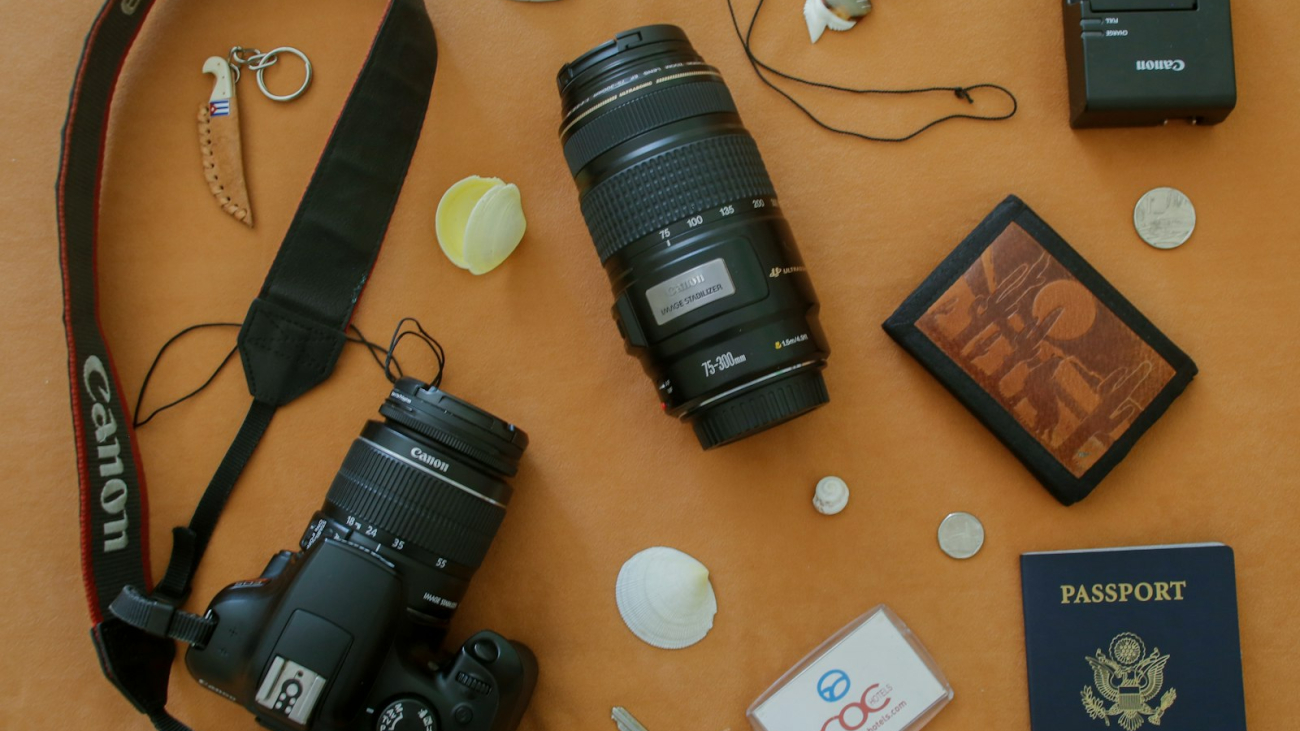
A camera, passport, wallet and keys laid out as travel essentials for a Sayulita trip

Sayulita Travel FAQ: Quick Answers for First-Time Visitors

This is the quick-reference version of everything first-time visitors ask us before a Sayulita trip. For the longer guides behind each topic, we’ve linked out — this page is meant to answer the small, practical questions fast.

Do I need pesos, or is USD fine?

Bring pesos, or plan to withdraw them. Most shops and restaurants will take US dollars in a pinch, but at an informal, unfavorable exchange rate. The peso-to-dollar rate moves daily — check a live converter before you go rather than relying on a number you saw months ago.

Can I drink the tap water?

No — stick to bottled or purified water, including for ice in a pinch at smaller places. Villas and hotels typically supply purified drinking water as standard.

Will people speak English?

At tourism-facing businesses — restaurants, hotels, tour operators — yes, generally. It’s still worth knowing a few basic Spanish phrases, especially outside the main tourist streets.

Do I need a plug adapter?

No. Mexico runs on the same 127V, Type A/B plugs as the US and Canada, so North American electronics work without an adapter or converter.

How much should I tip?

Restaurants: 10% is standard, 15–20% for great service. Taxis: rounding up is normal, no fixed percentage expected. Hotel housekeeping and villa staff: a per-day amount in cash is customary and appreciated. Tip in pesos when you can.

Do I need a visa?

US and Canadian citizens don’t need a visa for a short tourist stay — just the FMM tourist permit, which is usually bundled into your airfare and issued during immigration processing. Keep whatever paper stub or record you’re given; some entry points are still transitioning between paper and digital versions, so don’t assume it will be fully paperless.

Will my phone work?

Cell coverage in Sayulita itself is reliable. Check your home carrier’s international roaming rates, or pick up a local prepaid SIM (Telcel is the major carrier, sold at OXXO convenience stores) if you want cheaper local data for a longer stay.

Can I flush toilet paper?

No — put used toilet paper in the small bin next to the toilet instead. Sayulita’s plumbing isn’t built to handle paper, and this is standard practice across much of Mexico, not a Sayulita-specific quirk. You’ll see the bins in villas, hotels and public restrooms alike.

What’s the emergency number?

911 works nationwide in Mexico. In a smaller town like Sayulita, it’s worth also saving the number of a local clinic directly — see our safety guide for the clinics and hospitals we recommend knowing about before you need them.

Where do I go for the bigger questions?

This page is deliberately quick-hit. For the fuller picture, start with our main travel guide, our packing guide, and our getting-around guide.

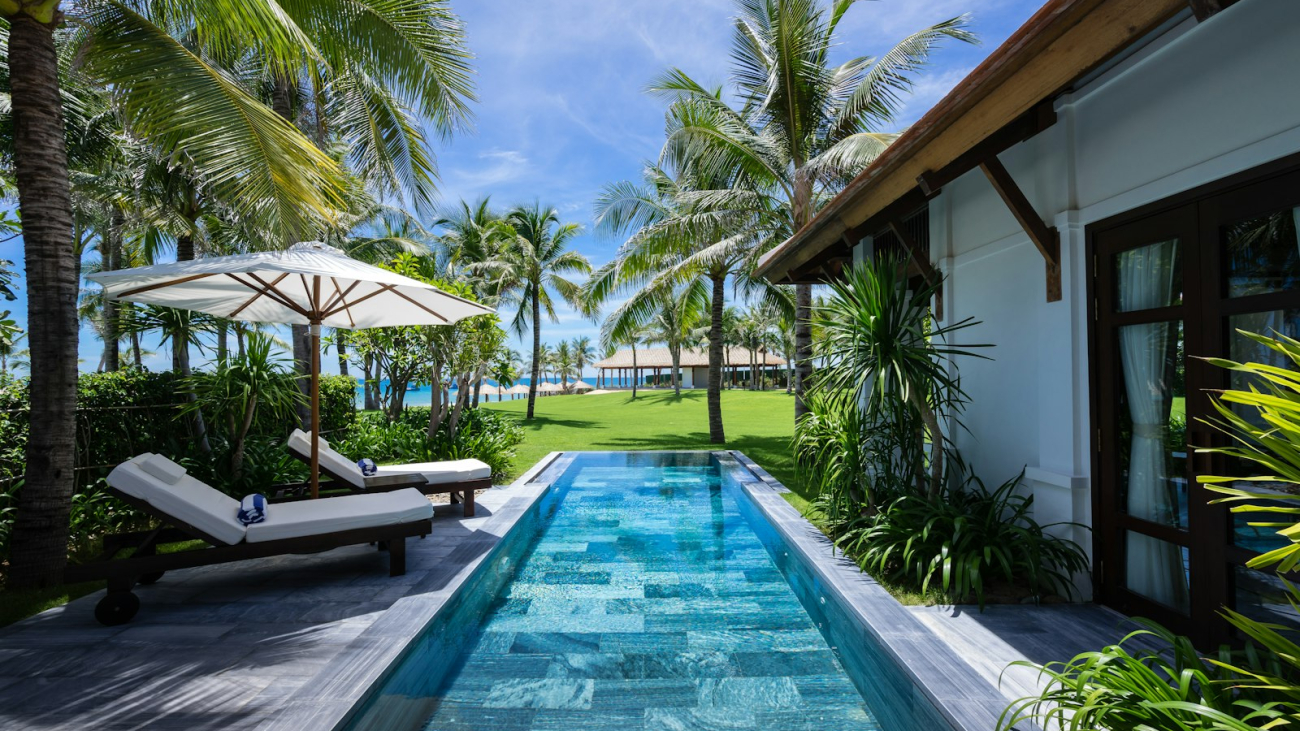
A tropical villa with a pool, the kind of property worth booking direct in Sayulita

Why Book Direct With a Sayulita Villa Instead of Airbnb or Vrbo

“Book direct” shows up on a lot of vacation-rental websites, ours included, but it’s worth explaining plainly what that actually means, what it saves, and what you give up compared to booking through Airbnb or Vrbo.

What the Platforms Actually Charge

Airbnb charges guests a service fee on top of the nightly rate — Airbnb’s own help center describes it as typically under roughly 14% of the booking subtotal, though the exact figure varies by listing and market. Vrbo’s guest service fee runs on a sliding scale, commonly cited in the 6–15% range, with the percentage getting smaller as the total booking cost goes up. Both fees are on top of whatever the host is already charging, and on both platforms hosts pay their own separate fee out of the payout — which many hosts factor into the nightly rate they set in the first place.

What Booking Direct Removes

When you book directly with a villa’s own site, that guest service fee simply isn’t there — it’s a platform charge, not a cost of the stay itself. That’s the core of why direct booking is often cheaper for the same villa on the same dates. It also means you’re dealing with the actual owner or manager directly: faster answers to specific questions, and more room for a host to work with you on things a platform’s rules don’t flex on, like a longer-stay discount or a slightly adjusted check-in time.

What You’re Trading Away

To be straightforward about the tradeoff: Airbnb and Vrbo both provide a layer of built-in protection — payment held in escrow until after check-in, a review history tied to the platform, and a dispute-resolution process if something goes wrong. Booking direct means doing a bit more of that verification yourself. Common-sense steps travel-security sources recommend: check the property’s reviews somewhere independent of its own website (Google, TripAdvisor, Facebook), confirm the address is real, pay through a secure, traceable method rather than a wire transfer, and get your booking details in writing.

Where Villa Vargas Sayulita Fits

Villa Vargas Sayulita is listed on Airbnb with Superhost status and 200+ five-star reviews — so the independent, platform-verified track record is there to check before you ever talk to us directly. Guests who book through our own site instead save 15% or more compared to the same dates on Airbnb, for the identical villa, simply because the platform fee isn’t part of the transaction. See our villa vs. hotel vs. Airbnb comparison for how the property itself stacks up against other ways to stay in Sayulita.

Our Take

Book direct isn’t a trick, and it isn’t risk-free by default either — it’s a straightforward trade of platform convenience for a lower price and a direct relationship with the owner, and it’s worth it precisely when you’ve already verified the property is legitimate. Check the reviews independently first; then book however makes sense for you.

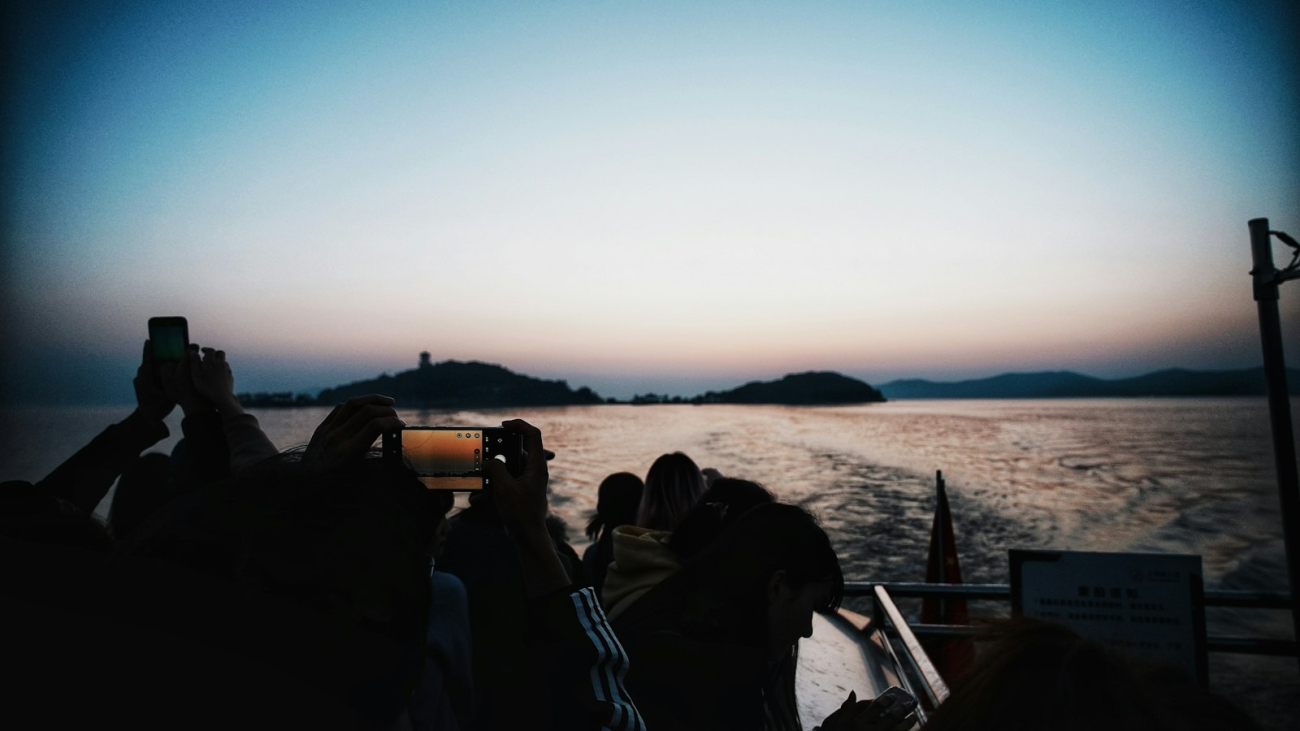
A group of friends on a boat watching the sunset, celebrating a milestone birthday trip near Sayulita

Planning a Milestone Birthday Trip to Sayulita

A milestone birthday — the 30th, 40th, 50th, or any big round number — is one of the most common reasons a group books a villa together rather than everyone getting separate hotel rooms. Sayulita has grown a real set of options for celebrating one properly. Here’s what’s actually available.

On the Water

A private boat charter is the single most popular way groups mark a milestone birthday here. Chica Locca Tours and Oceano Adventure both run private boat and sunset-cruise charters out of the area, and local sailing operators like Catamaran Ysuri offer a slower, quieter alternative to a motor tour. Book these well ahead in high season — the good boats for a group get reserved weeks out, not days.

A Private Dinner, In the Villa or Out

For an in-villa celebration, the same private chefs covered in our private chef guide — Chef Doris Rivera and Hecho Con Amor among them — will cook a group dinner on-site, which keeps a milestone celebration relaxed and private rather than working around a restaurant’s table limits. If you’d rather go out, Alto Alto‘s rooftop, The Dock Sayulita‘s beachfront tables, and Frente al Punto beach club all regularly host groups and take reservations well in advance for exactly this kind of night. Our restaurant guide has the fuller list.

Something Active During the Day

A group surf lesson is a genuinely fun way to spend a birthday-trip morning even if half the group has never stood on a board — Pacific Surf School, WildMex and Sea Sayulita all take group bookings and scale lessons to mixed skill levels. Follow it with an afternoon at the spa; see our spas guide for options that can accommodate several people at once.

Villa Space and Timing

Multi-bedroom villas built for weddings and family reunions work just as well for a milestone birthday group — see our group trips guide for how to think about splitting a villa among a group. High season (November through April) is when everything above books up fastest; if your milestone date is fixed, lock in the villa, the boat, and any restaurant reservations for the actual birthday night as early as you can.

Our Take

The trips that go best aren’t the most elaborate — they’re the ones where the villa becomes the home base for two or three planned moments (a boat afternoon, one big group dinner) and the rest of the days stay unscheduled. That’s easier to pull off here than almost anywhere else on this coast.

A private chef arranging a table full of food for an in-villa dinner in Sayulita

Private Chefs and Concierge Services for Your Sayulita Villa

One of the real advantages of a private villa over a hotel room is the kitchen — and in Sayulita, that kitchen doesn’t have to mean cooking for yourself every night. A small but genuine private-chef and concierge industry has grown up around the town’s vacation rentals. Here’s who’s actually operating, and what they do.

Private Chefs Who Cook in Villas

Chef Doris Rivera runs an established private-chef business with her own site and menu, cooking in-villa for guests who want a proper multi-course dinner without leaving the property. Hecho Con Amor is another dedicated private-chef and catering operation with an active online presence, offering in-villa meals from casual to formal. If you’d rather compare several chefs at once, Take a Chef is an international booking platform that matches travelers with local private chefs and lists Sayulita as an active service area — useful if you want quotes from more than one cook before deciding.

Private chef pricing varies by menu, guest count and how much shopping/prep is included, and quoted rates change often enough that we won’t put a number here that could be stale by the time you read it — ask each chef directly for a quote against your group size and the meal you want.

Concierge and Grocery Services

Sayulita at Your Service is a local concierge and property-services company that helps arrange grocery pre-stocking, airport transfers, and activity bookings ahead of a guest’s arrival — the kind of thing that turns a long travel day into walking into a fully stocked villa instead of a bare fridge. For everyday delivery once you’re here, Uber Eats operates in Sayulita, including a listing for a local supermarket alongside restaurants, so grocery and takeout delivery by app is genuinely available, not just something the big cities get.

Booking Ahead Matters

Sayulita’s private-chef and concierge businesses are small operations, not large staffed agencies, and they fill up during high season (November through April) the same way restaurants and boat charters do. If a private chef dinner or a fully pre-stocked kitchen on arrival matters to your trip, reach out as soon as your dates are set rather than a few days out.

Our Take

A private chef night or two is one of the easiest ways to make a villa stay feel like an occasion rather than a rental — and pairing it with a concierge-arranged, pre-stocked kitchen for the rest of the week means you spend more time at the pool and less time at the grocery store. For the full range of services worth arranging around a stay, see our luxury villa checklist, and if you’re planning a group celebration, our spa guide pairs well with an in-villa dinner for a full day of not leaving the property.

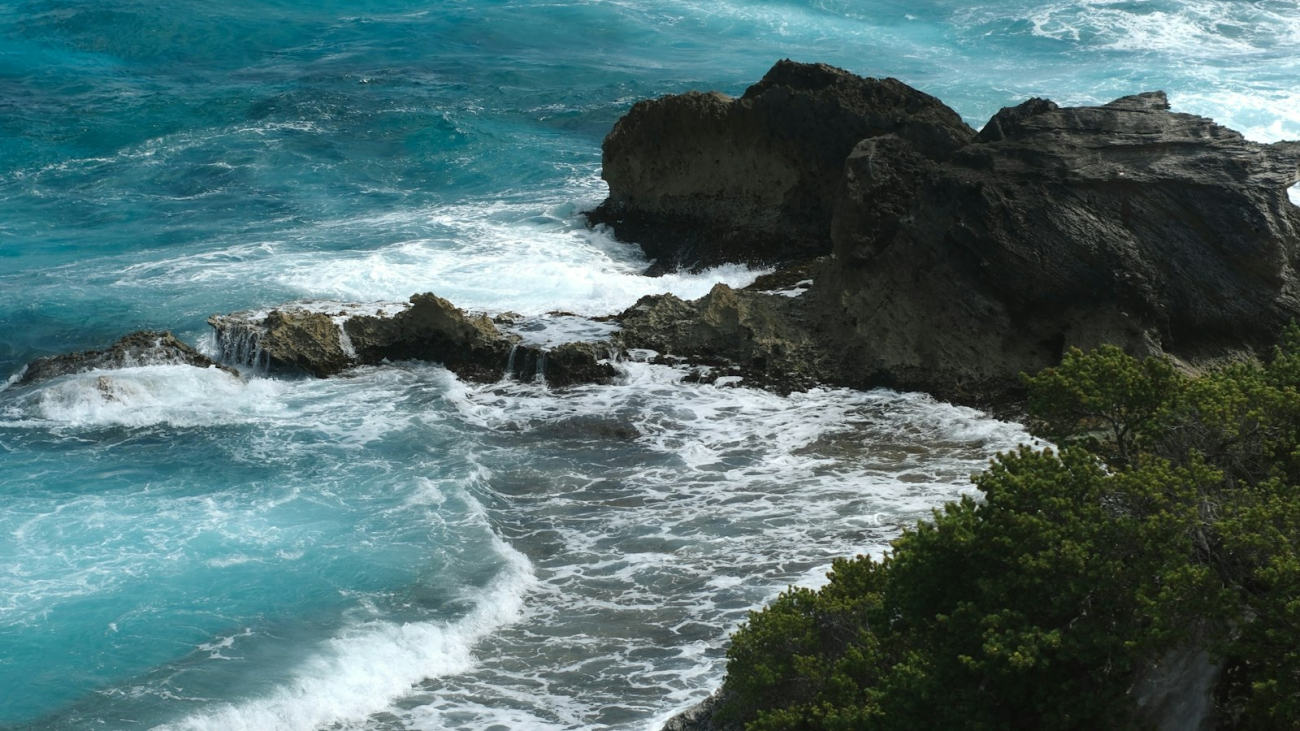
Turquoise ocean waves against a rocky, green coastline in Riviera Nayarit

Riviera Nayarit: The Region Around Sayulita, Explained

If you’ve booked a stay in Sayulita, you’ve probably seen the phrase “Riviera Nayarit” on hotel sites, tour listings and airport signage without ever seeing a map of what it means. Here’s the actual geography, the towns worth knowing, and how far each one really is from your villa.

What “Riviera Nayarit” Means

Riviera Nayarit is a tourism-marketing name for the Pacific coastline of Nayarit state, promoted by the Riviera Nayarit Convention and Visitors Bureau alongside the state tourism office. It isn’t a municipality or a single administrative region — it’s a brand stretching roughly from San Blas in the north down to Nuevo Vallarta, where the Ameca River marks the state line with Jalisco and Puerto Vallarta. Sayulita sits in the southern half of that stretch, inside the Bahía de Banderas municipality.

The Towns, and How Far They Are From Sayulita

  • San Pancho (San Francisco) — about 10 minutes north. A quieter, arts-and-culture-leaning neighbor; home to the Entreamigos community center and often described as a hub of local Wixárika (Huichol) culture.
  • Punta Mita — roughly 25–35 minutes south. The upscale end of the region: golf courses, resort brands, and the main departure point for boat tours to the Marietas Islands.
  • Bucerías — about 35–40 minutes south. A bigger beach town with a long malecón (boardwalk) and a well-known weekly Art Walk.
  • La Cruz de Huanacaxtle — a fishing village between Punta Mita and Bucerías with its own marina and a popular Sunday market.
  • Nuevo Vallarta — the southernmost stretch before the Jalisco line, dominated by master-planned resorts and marinas.
  • San Blas — the northern anchor of the region, a couple of hours away: a colonial-era port town with a Spanish-era fort and some of the best birdwatching on this coast.

Puerto Vallarta and its airport (PVR), which almost everyone flies into, are technically across the state line in Jalisco — about 40 minutes / 40 km from Sayulita. See our airport transportation guide for the full rundown.

Nayarit or Jalisco? A Real Distinction

Sayulita, San Pancho, Punta Mita and Bucerías are all in Nayarit; Puerto Vallarta is in Jalisco, across the Ameca River. It’s a genuine state line with separate municipal government — not just a marketing distinction — and it shows up in small but real ways for visitors. The best-known quirk: the Bahía de Banderas side of Nayarit runs on Central Time year-round to stay synced with Puerto Vallarta, even though most of Nayarit state is technically on Mountain Time. It’s a frequently written-about local anomaly, and it means Sayulita and Puerto Vallarta are always on the same clock even when the rest of the state isn’t.

Worthwhile Day Trips Beyond the Obvious

Our day trips guide covers the popular options in depth, but two are specifically regional: the Marietas Islands marine park off Punta Mita (permit-limited, book ahead, especially for the “Hidden Beach”), and San Blas for a full day of colonial history and mangrove-estuary birding if you want something completely different from beach time.

Our Take

Riviera Nayarit is a useful frame for planning: it tells you which neighboring towns are a short drive away and which require a real day trip. Sayulita is one of the smaller, less developed stops on that stretch of coast — which is exactly why most of our guests choose it over the resort corridor further south.

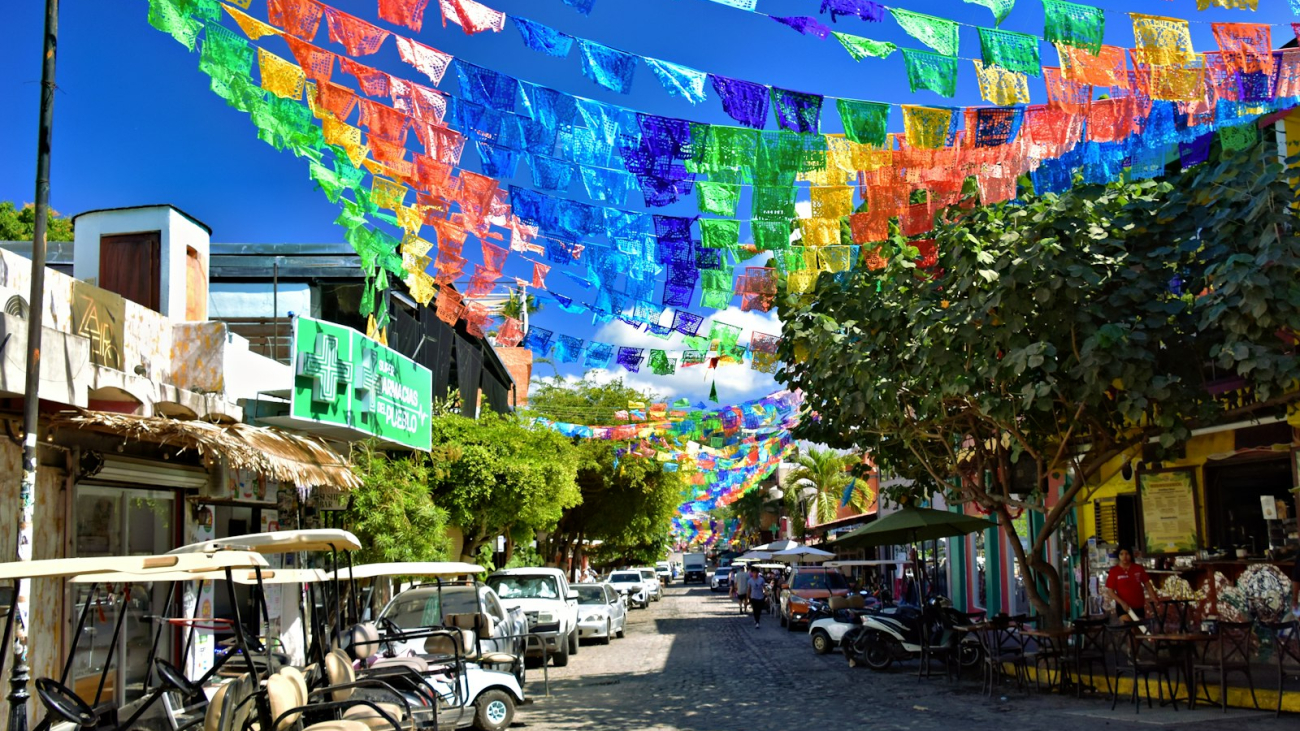
Colorful flags strung across a sunny Mexican street with golf carts, Sayulita Pueblo Magico

Sayulita’s Pueblo Mágico Designation, Explained

Sayulita is officially a Pueblo Mágico — one of Mexico’s federally recognized “Magical Towns.” It’s a label you’ll see on welcome signs, tourism-board maps and the occasional t-shirt, but most visitors have never been told what it actually means, who decided it, or what changed in town because of it.

What “Pueblo Mágico” Actually Is

Pueblo Mágico is a federal recognition program run by Mexico’s Secretaría de Turismo (SECTUR), launched in 2001 to identify towns with a distinct historical, cultural or natural character that sets them apart from typical destinations. Qualifying isn’t automatic — a town generally needs a population of a certain size, a formally organized local tourism committee, backing from its municipal council and state congress, a documented multi-year tourism development plan, evidence that tourism already contributes meaningfully to the local economy, and adequate health and security services already in place. It’s as much a bureaucratic checklist as a beauty contest.

When Sayulita Got the Title

Sayulita was named a Pueblo Mágico on September 25, 2015, announced by Enrique de la Madrid, then head of Mexico’s federal tourism ministry, with Nayarit’s state tourism secretary Catalina Ruiz accepting on the state’s behalf. A formal plaque was unveiled in Sayulita’s town square that December, with de la Madrid, Ruiz, and the Bahía de Banderas mayor all in attendance. Coverage at the time leaned on Sayulita’s identity as Riviera Nayarit’s “capital of surf” with a laid-back, bohemian character — the town was already well known before the federal label arrived; the designation formalized what visitors had been saying for years.

What It’s Reported to Have Changed

The designation came with a five-year local tourism development plan and a joint state/municipal/civil-society committee to oversee it, plus inclusion in the national Pueblos Mágicos marketing umbrella — the kind of promotional reach a single town could never buy on its own. Most of what’s publicly documented is the plan and the funding commitments rather than an independently audited before-and-after; treat visitor-growth claims tied specifically to the designation as directional rather than verified.

Sayulita in Good Company — and One Surprising Absence

There are now 177 Pueblos Mágicos across Mexico’s 31 states, including well-known names like Tequila, Jalisco (the tequila-producing town) and Tulum, Quintana Roo. One name that surprises people: San Miguel de Allende is not currently a Pueblo Mágico. Guanajuato state pulled it from the program after its 2008 UNESCO World Heritage listing, choosing to lean on UNESCO status instead of the federal tourism label.

The Honest Downside

Recognition and growth arrived together, and travel writers who’ve followed Sayulita for years have written candidly about the tradeoffs: busier streets and beaches in high season, rents and restaurant prices climbing as boutiques and design-forward restaurants replaced some of the old fishing-village storefronts, and infrastructure — sewage capacity in particular — under more strain than it was built for. None of that is a formal government finding, just the recurring theme in independent travel coverage, and it’s worth knowing before you arrive expecting an undiscovered secret. Our own best time to visit guide and safety guide go into how to plan around the busiest stretches.

Our Take

The Pueblo Mágico sign at the edge of town is real, and the story behind it is more interesting than most visitors realize — but it’s a federal marketing and development program, not a guarantee of an untouched village. Sayulita earned its reputation first; the label just made it official. If you want the fuller picture of what the town is like today, start with our Sayulita travel guide.

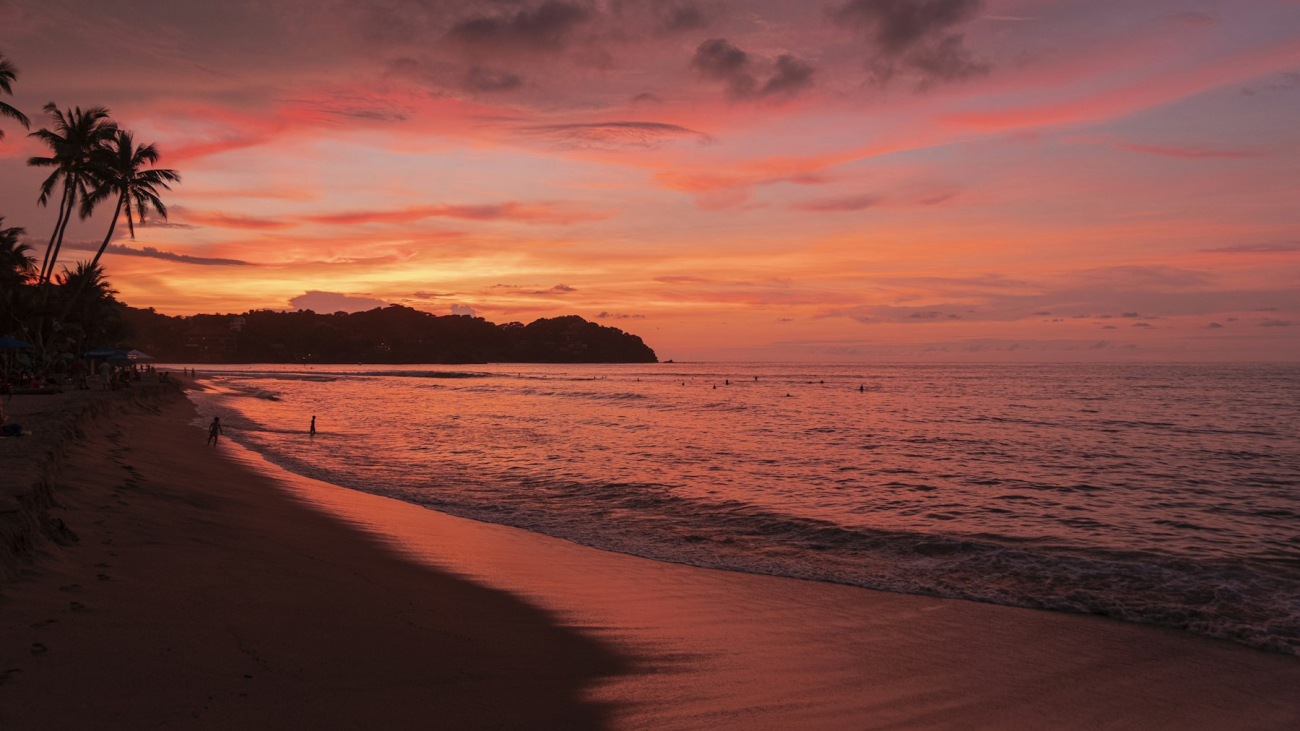
Sunset over the ocean in Sayulita, Mexico

Best Sunset Spots in Sayulita

Watching the sunset in Sayulita takes a little local knowledge, because the main bay doesn’t face west. For much of the year the sun drops behind the point south of town rather than into open water — which is why locals walk to a different beach depending on the season. Here is where to go, month by month, and what to bring.

First, Know Which Way the Bay Faces

Sayulita’s main beach faces roughly north-northwest. In the dry season (late fall to early spring) the best sunsets are from the west-facing beaches south of town, Carricitos and Patzcuarito. In late spring and summer the sun swings north and sets into the ocean from the main beach and the north end, and there is even a stretch in late April when you can watch it drop behind the point and then again over the water a hundred yards up the sand. Timing: expect the sun to set in the 6 p.m. range in December and closer to 8 p.m. in June, with the best color arriving 10–15 minutes after it goes down.

The Beaches

  • Playa Carricitos — the west-facing Pacific beach most people call the best sunset in Sayulita. From the plaza, follow Niños Héroes west up the steep dirt road and go left at the fork (right leads to Los Muertos); about 25–30 minutes on foot. Strong currents make swimming a bad idea, there is only a drink stand, and the walk back is long and dark — a headlamp is essential.
  • Playa de los Muertos — the calm, southwest-facing cove reached by walking through the cemetery arch, 15–20 minutes from the plaza. Loungers and a bar, protected swimming, no lifeguard. Lovely light in the evening; leave before full dark, as the path back is isolated.
  • The north end of the main beach (Playa Norte) — the quiet stretch past the river mouth, and the best in-town option when the sun sets over water in the warmer months. Bring a light if you walk far north.
  • Playa Malpaso — north-facing and secluded, about 20 minutes on an inland trail from the end of Avenida del Palmar. Moderate sunsets, a rock archway at low tide, and no swimming (undertows).
  • Playa Patzcuarito — west-facing and farther out (about an hour on foot or a short drive); the dry-season pick for locals, but unsafe for swimming and a headlamp-mandatory walk back.

Our beach guide has directions and swimming notes for each.

Rooftops and Beach Bars

If you would rather have a drink in hand: Bar Miramar on the north beach is the reviewers’ favorite sunset bar (cash only); Coco’s Beach Club on Calle Gaviota has a rooftop over the bay, usually with a day pass or minimum spend; Bar del Patrón on the fifth floor of the Sayulinda Hotel is a 360-degree rooftop with an infinity pool and a day pass; and Don Pedro’s and Las Sirenas do sunset dinners at either end of the main beach. See our nightlife guide for what comes after.

Monkey Mountain at Dusk

Cerro del Mono is the big one: about two miles each way with roughly 1,000 feet of climbing and a short boulder scramble at the top with sheer drops. The easier, better-marked trailhead is in Higuera Blanca; the Patzcuarito side is steeper and easy to lose. Allow two to three hours round trip from Higuera Blanca. The mountain is sacred to the Wixárika (Huichol) people, and both local guides and long-time residents recommend going with one — sunset tours exist but aren’t always available. Carry three liters of water, wear closed shoes, bring a headlamp, and arrange your ride back in advance.

From the Water

Sunset sails on catamarans such as the Ysuri and Chica Locca run in season, though most depart from the marina at La Cruz de Huanacaxtle with transport from Sayulita rather than from the beach itself. Our honeymoon guide covers the private charter options.

Practical Notes on Sunset in Sayulita

  • Headlamp. Every beach south of town means a dark walk back on a dirt road. Phone flashlights die; bring a real light.
  • Don’t swim at the west-facing beaches. Carricitos, Patzcuarito and Malpaso all have currents and undertows. Los Muertos is the swimming beach.
  • Tides and rocks. Watch the tide at Malpaso and mind the sea urchins on the rocks at Los Muertos.
  • Rainy-season bonus. Summer storms build spectacular skies; the main beach becomes the front-row seat.

Then Come Home to Your Own Sunset

The garden terrace at Villa Vargas catches the last light too, and the heated pool is a very good place to compare notes on which beach won. We’re a seven-minute walk from the sand, on a quiet street where the only thing you’ll hear afterward is the birds. See the villa or check dates — booking direct saves 15% or more.