
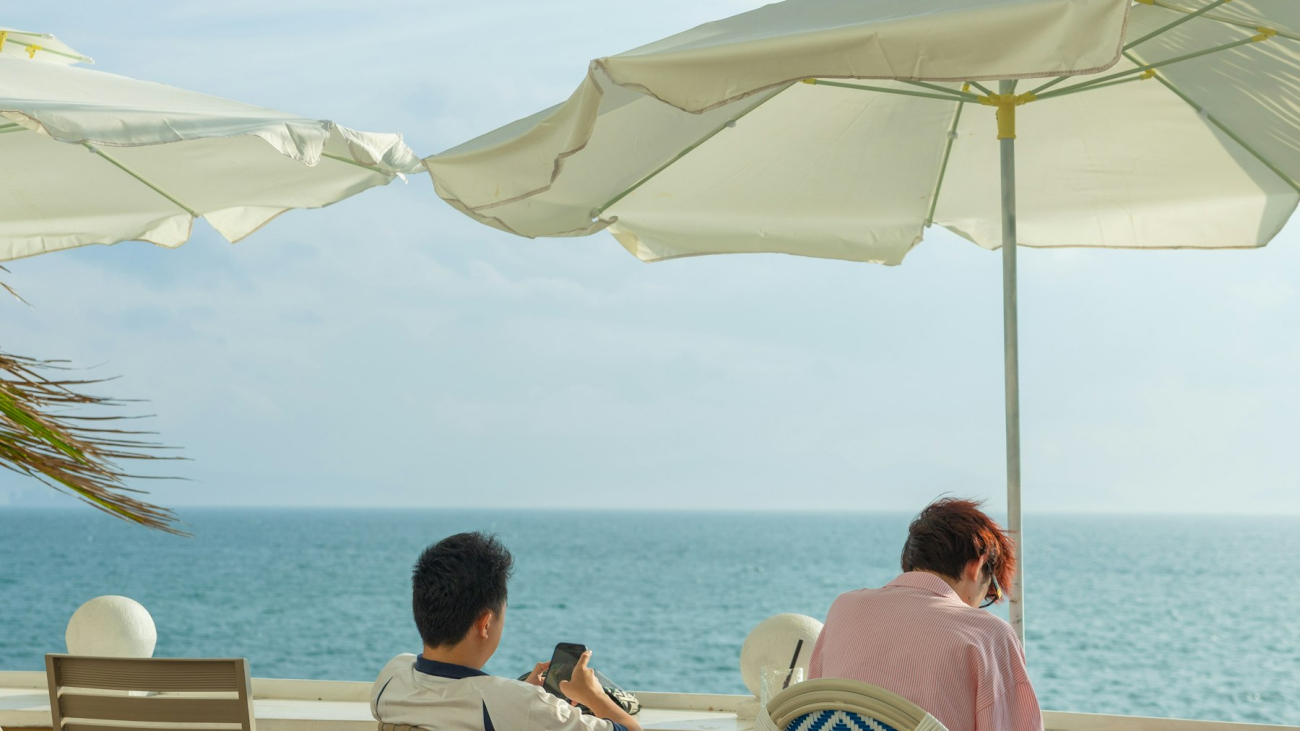
Here is an honest look at Sayulita for digital nomads. Sayulita has a real, established remote-work community — but it’s worth going in with accurate expectations about the internet rather than the usual “paradise with wifi” framing. Here’s an honest look at what remote work in Sayulita actually involves.
The Wifi, Honestly
Average internet speed in town runs around 11 Mbps, which is workable for email, browsing, and most day-to-day tasks, but genuinely limiting for anything bandwidth-heavy. Video calls generally hold up for audio, but multiple people expect you to turn your camera off; uploading video can take hours rather than minutes. Plan around this rather than being surprised by it — if your job depends on fast, reliable video or large uploads, build in buffer time or a mobile hotspot as backup.
Sayulita for Digital Nomads: Where to Actually Get Work Done
- Sayulita Cowork is the town’s established coworking space — private and shared desks, high-speed wifi, and air conditioning, rated well by locals and built specifically for remote professionals who need a reliable connection for calls and meetings.
- A private fiber connection, if you’re staying a while, is the most reliable option — figure roughly $87–100 USD/month plus a one-time equipment fee around $500 USD, which makes more sense for a longer stay than a short one.
- A Telcel prepaid hotspot (around $10 USD/month for data) is worth having as backup regardless of where you’re working from — useful during the rainy season (August–October) when power outages are more frequent and can take the whole town’s internet down at once.
Cafés Where You Can Actually Work
Sayulita CoWork is at Avenida Revolución 41-A in the center, open weekdays roughly 10 to 5 with 24/7 access for monthly members; third-party listings quote day, week and month rates (confirm current pricing directly), and it has fiber, battery backup, air conditioning and a phone booth for calls. For café work, The Anchor Café on Calle Marlín has fiber wifi and a regular crowd of laptops (it is small, and packed in high season); El Espresso on Avenida Revolución is open early to late with stable wifi; Miscelánea welcomes laptops but its connection slows badly when the room is full; and YAH-YAH has a fast connection and an upstairs laptop area but posts signage asking you not to treat it as a free office — buy accordingly. Our café guide covers the food side.
Visas, Entry, and Time Zone
Mexico has no digital-nomad visa; remote workers come in as tourists or apply for temporary residency. A tourist entry can be granted for up to 180 days, but the length is at the immigration officer’s discretion and shorter stays are increasingly common, so do not assume six months. Temporary residency is applied for at a consulate abroad and requires proof of income (in the region of 4,400 USD a month over the previous six months) or savings (roughly 72,000 USD over twelve months); thresholds vary by consulate and change yearly. Working remotely for a foreign employer on a tourist entry is a legal grey area — take it up with an immigration specialist if you plan to stay long. Time zone is the easy part: Sayulita and the whole Bahía de Banderas run on Central Time with no daylight saving, which means it matches Chicago in winter, is an hour behind it in summer, two hours behind New York and Toronto in summer, and an hour ahead of Los Angeles and Vancouver.
Backup Plans for Power and Data
When the wifi goes out in Sayulita it tends to go out for the whole town, most often in the August-to-October rainy season, and power flickers can take routers with them — a surge protector is worth packing. For a longer stay, Starlink is sold nationally in Mexico (the residential plan is around 1,250 pesos a month at the time of writing) and some rentals now include it. On the phone side, Telcel and AT&T prepaid SIMs are cheap and easy, and eSIM providers like Airalo cover Mexico for short stays. Note that Mexico introduced mandatory line registration in 2026; foreigners can generally register a prepaid line with a passport, but check the current rules with the carrier.
What a Month Costs
Recent cost-of-living guides put a one-bedroom rental at roughly 500–800 USD a month at the budget end and 900–1,500 for something comfortable, with well-located Airbnbs running higher and selling out in high season; coworking 100–200 a month; tacos under two dollars and a casual meal 5–15. All-in, most people land somewhere between about 1,000 and 3,000 USD a month depending on how they live. For community, the “Sayulita Expats and Newcomers” Facebook group is the noticeboard, La Mexicana Spanish School runs group and private classes, and Sayulita Fit on Avenida Revolución does monthly gym memberships and day passes.
Our Take, Working From the Villa
Villa Vargas has high-speed WiFi and air conditioning throughout, which covers ordinary remote work day to day; for anything video-heavy, we’d still recommend Sayulita Cowork or a backup hotspot on the days it matters. If you’re planning to stay a month or more, our monthly and extended stay option is built around exactly that kind of longer, work-from-here visit — two kitchens, laundry on both floors, and enough space to actually settle in rather than living out of a suitcase.
Staying a while? See our monthly rental option or book directly.
Deciding where to stay for an extended trip? See our comparison of villas, hotels, and Airbnbs in Sayulita.